Thoughtfully curated beauty and soft life essentials for the modern woman, made just for you💕💕


Feminine Care Tips Every Woman Should Know

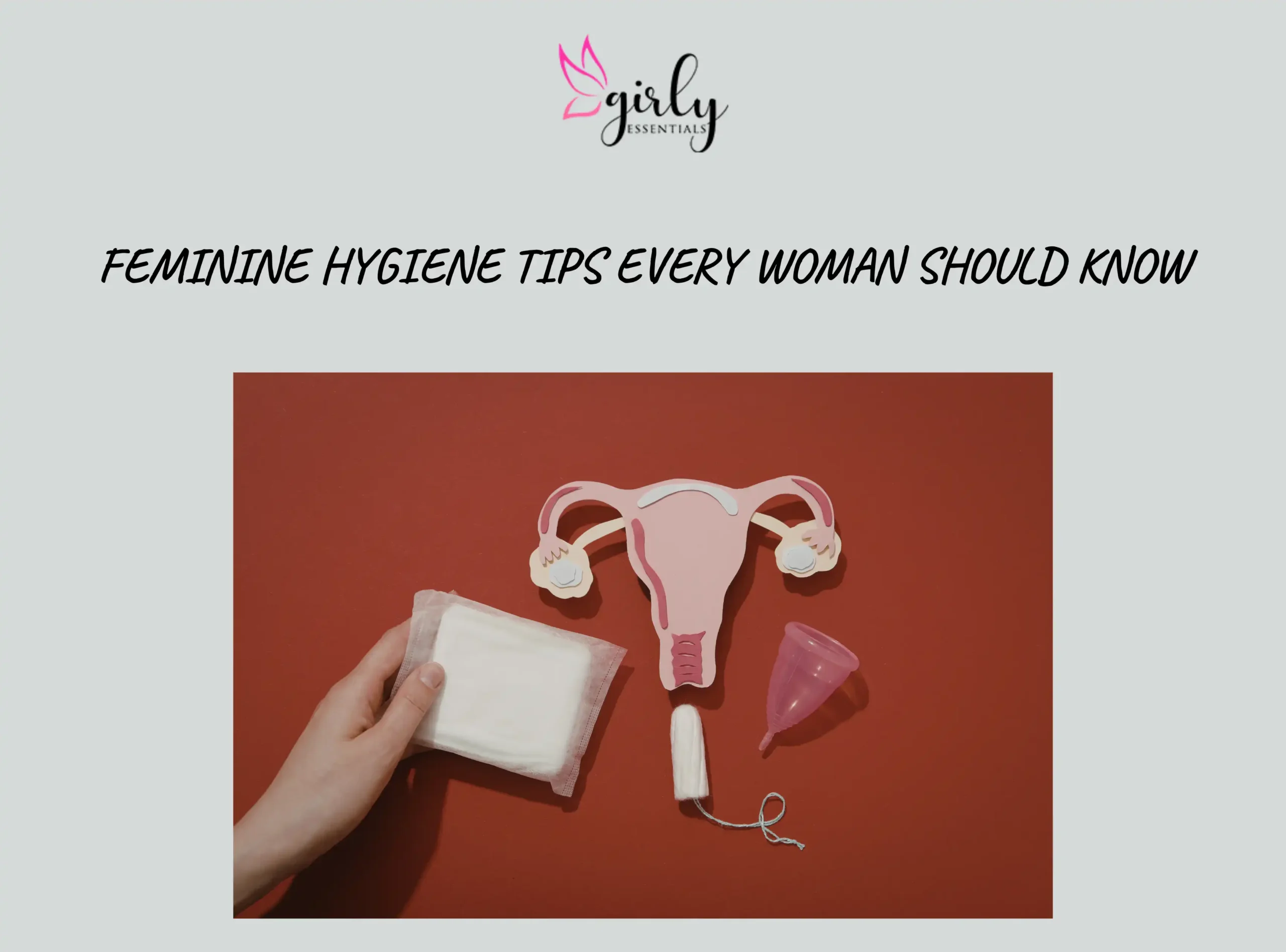
Feminine care should feel simple, safe, and calm. Most women want to feel fresh, clean, and comfortable daily. But the advice online can feel mixed and stressful.
This guide gives clear tips you can trust and use.
What is Feminine Care?
Feminine care, sometimes referred to as Feminine hygiene, means the products and daily habits you use to keep your intimate area clean, comfy, and healthy.
It covers how you wash, what you wear, how you manage your period, and how you handle sweat, odor, and irritation. It also includes knowing what’s normal for your body and when something needs attention.
Feminine hygiene products include: sanitary pads, menstrual cups, clean cotton underwear, and so on.
Feminine Care Tips
Let’s start with the most important truth. Your vagina cleans itself. You do not need to clean inside it. Most care should focus on the vulva, the outside skin. It’s advisable to choose intimate hygiene products that don’t contain harsh chemicals.
Over-cleaning often causes the problems you want to avoid.
1) Wash gently, and only on the outside
Learn to use warm water on the vulva (inner and outside of the vagina lips and the clitoris) every day. If you use soap, keep it mild and unscented. Strong soaps can dry the skin and cause irritation.
Good habits
- Wash with clean hands, not harsh scrubs.
- Rinse well so no product stays on skin.
- Pat dry with a clean towel, don’t rub.
- Use pH-balanced feminine washes
Avoid
- Douching or internal washes. It may push bacteria upward, thereby making odor and discharge worse over time.
- The use of scented washes, sprays, and powders in the area.
- Deodorizing products are meant to mask odor.
2) Know what normal feels like for you
Many women have some discharge. It can change during your cycle. That alone does not mean something is wrong.
Pay attention to changes, not just presence. A sudden new smell, new color, or new discomfort matters.
3) Don’t chase fresh by overdoing it
A lot of people worry about odor in public. That worry often leads to extra washing or the use of strong products. That can upset the natural balance and make things worse.
If you notice an odor, start with simple steps first:
- Wash the outside gently with water.
- Change underwear and stay dry.
- Avoid scented products for a week.
If the odor is strong or keeps coming back, get checked.
4) Keep the area dry as much as you can
Warmth and moisture can trigger irritation. This is common after workouts and in hot weather.
What helps
- Change out of sweaty clothes fast.
- Shower soon after exercise when you can.
- Choose breathable underwear, like cotton.
- Sleep without tight bottoms sometimes.
Watch out for
- Tight leggings are worn for long hours.
- Damp swimsuits kept on too long.
- Wearing the same underwear all day after sweating.
5) Pick underwear that supports comfort
Underwear can make a big difference. Wearing cotton underwear is important for good hygiene. The wrong fabric can trap heat and moisture.
Try this
- Choose breathable fabric for daily wear.
- Change underwear daily, or more when needed.
- Wash underwear with a gentle detergent if you react easily.
- Avoid heavy fragrance fabric softeners on underwear.
6) Be smart with panty liners
Panty liners can feel helpful because they help to absorb vaginal discharge. Vaginal discharge is healthy – it is your body’s way of cleansing toxins, staying clean, and moisturized. Pantyliners work just like a pad, but they differ because they are thinner. Also, they can trap heat and moisture against the skin.
If you use them often:
- Choose unscented liners.
- Change them often, not once all day.
- Give your skin liner-free time at home.
7) Period care: change often and stay gentle
During your period, your skin can feel more sensitive. Blood and moisture can also change odor during the day.
Helpful tips
- Change pads or tampons regularly.
- Wash the vulva with water when you bathe.
- Wipe front to back every time.
- Carry spare underwear or wipes for long days.
Use wipes only for quick refresh moments. Choose unscented wipes, and stop if you get irritation.
8) Bathroom habits that protect you
Small habits help prevent discomfort.
Do
- Wipe front to back.
- Don’t hold urine too long.
- Pee after sex if that helps you avoid irritation.
- Drink enough water, so urine stays pale yellow.
Try not to
- Use harsh toilet paper if your skin reacts.
- Over-wipe until the skin feels raw.
9) Hair removal: keep it clean and low stress
Shaving or waxing of pubic hair can irritate delicate skin. Small cuts can sting and cause bumps.
If you remove hair
- Use a clean razor and change it often.
- Shave with a gentle product, not strong soap.
- Don’t shave dry skin.
- Wear loose bottoms after hair removal.
It’s also okay to do nothing. Hair is normal and has a protective role.
10) Sex and products can trigger irritation, too
When you engage in sexual activity, your genitals may react to condoms, lube, or friction. Sometimes the issue is not “hygiene” at all.
If irritation happens after sex
- Switch to fragrance-free lube options.
- Try different condom types if you suspect a reaction.
- Avoid scented products before and after sex.
- Stop anything that burns or stings right away.
Pain, burning, or swelling that keeps returning needs care.
11) Lifestyle factors can affect balance
Your body responds to stress and sleep changes. So does your skin and natural balance. Things that may affect comfort:
- Stress and poor sleep.
- Antibiotics that change your natural bacteria.
- High sugar eating patterns for some people.
- Not changing out of wet clothes fast enough.
You don’t need to be perfect. Just notice patterns and adjust slowly.
12) When to see a doctor
There should be a time when you should see a doctor. Do not wait it out if something feels off. Get medical help if you notice any of these:
- Strong odor that does not improve with basic care.
- Itching, burning, or swelling that lasts more than a few days.
- Thick, clumpy, gray, green, or yellow discharge.
- Pain during urination or sex.
- Bleeding outside your normal period pattern.
- Fever, pelvic pain, or feeling unwell with symptoms.
If you’re unsure, it’s still worth asking a clinician.
Quick daily feminine care routine
Keep it simple:
- Wash the outside with water.
- Dry well and wear breathable underwear.
- Change after sweat, workouts, or swimming.
- Skip scented products and internal cleaning.
- Watch for changes and act early.
Final reminder
Feminine care is not about being perfect. It’s about comfort, balance, and listening to your body. Simple habits work best, and less is often more. If you want, tell me your audience and location.
